Education For Food Safety Innovation
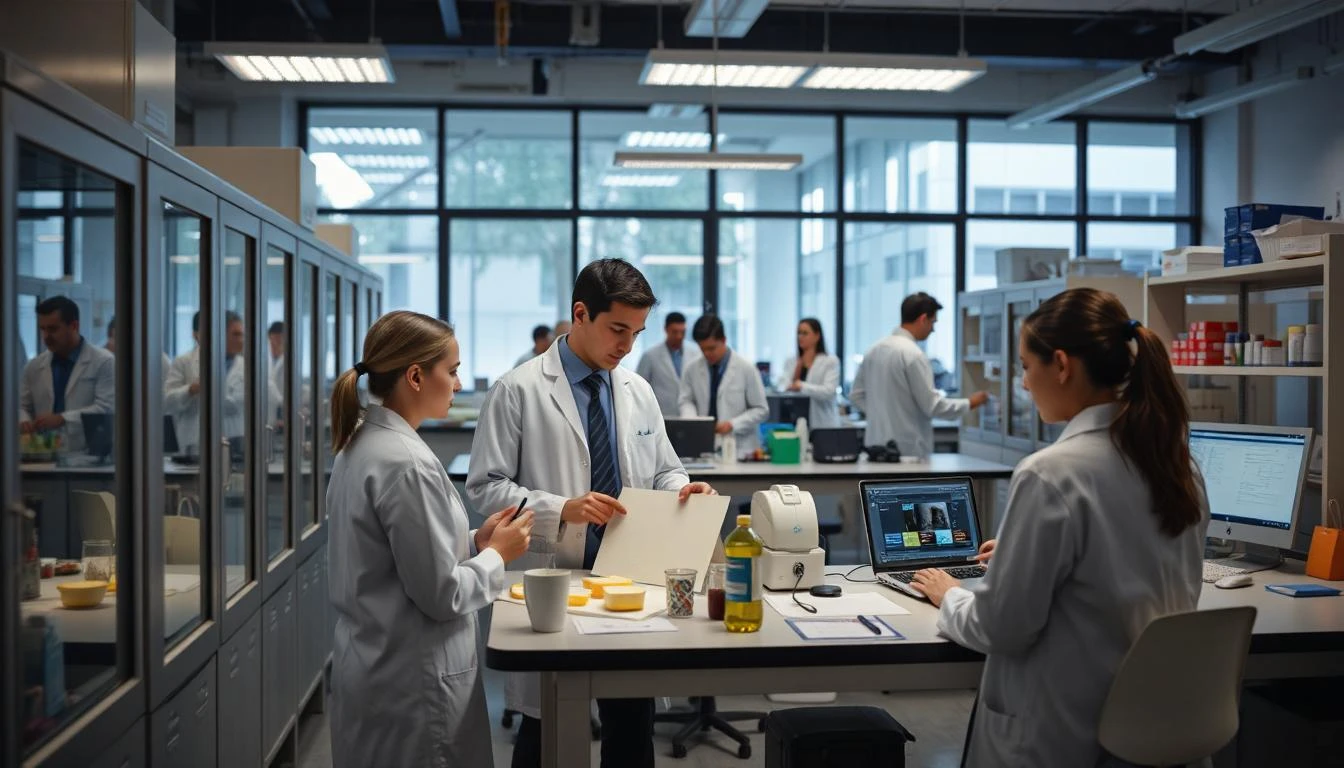
As food systems become increasingly complex, innovation and knowledge play essential roles in protecting public health. New technologies, scientific advancements, and improved production methods are transforming how food is monitored, processed, and distributed. At the center of this progress is Food safety education, which helps consumers, professionals, and organizations understand evolving practices and contribute to safer food systems. Education and innovation together create a pathway toward greater food quality, transparency, and trust.
The Importance Of Food Safety Innovation
Innovation continues to reshape the food industry by improving safety standards, enhancing efficiency, and reducing potential risks. Understanding these developments helps individuals appreciate the value of modern food safety practices.
How innovation improves food quality and safety
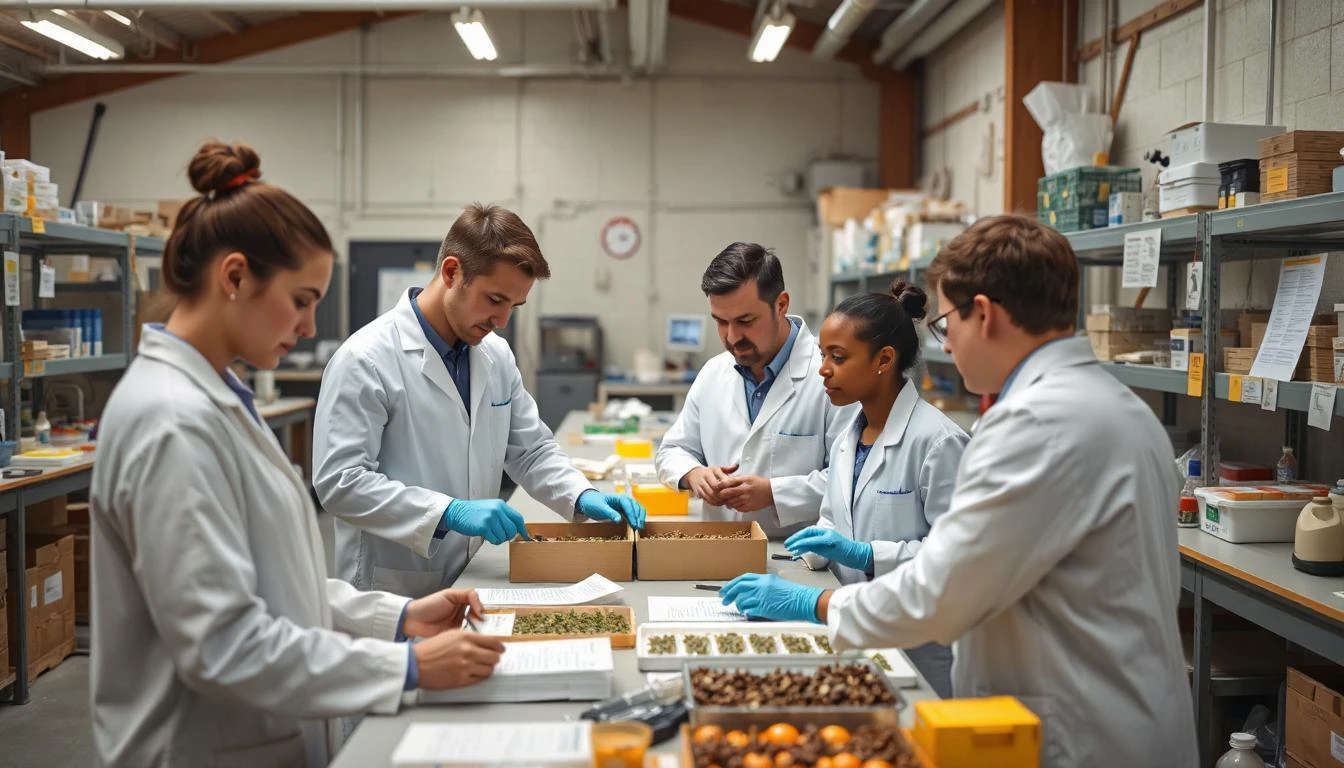
Innovative solutions help identify potential hazards, improve quality control, and strengthen food safety protocols. Enhanced testing methods, automated monitoring systems, and advanced processing technologies contribute to safer products while maintaining consistent quality throughout the supply chain.
Emerging technologies in food production and monitoring
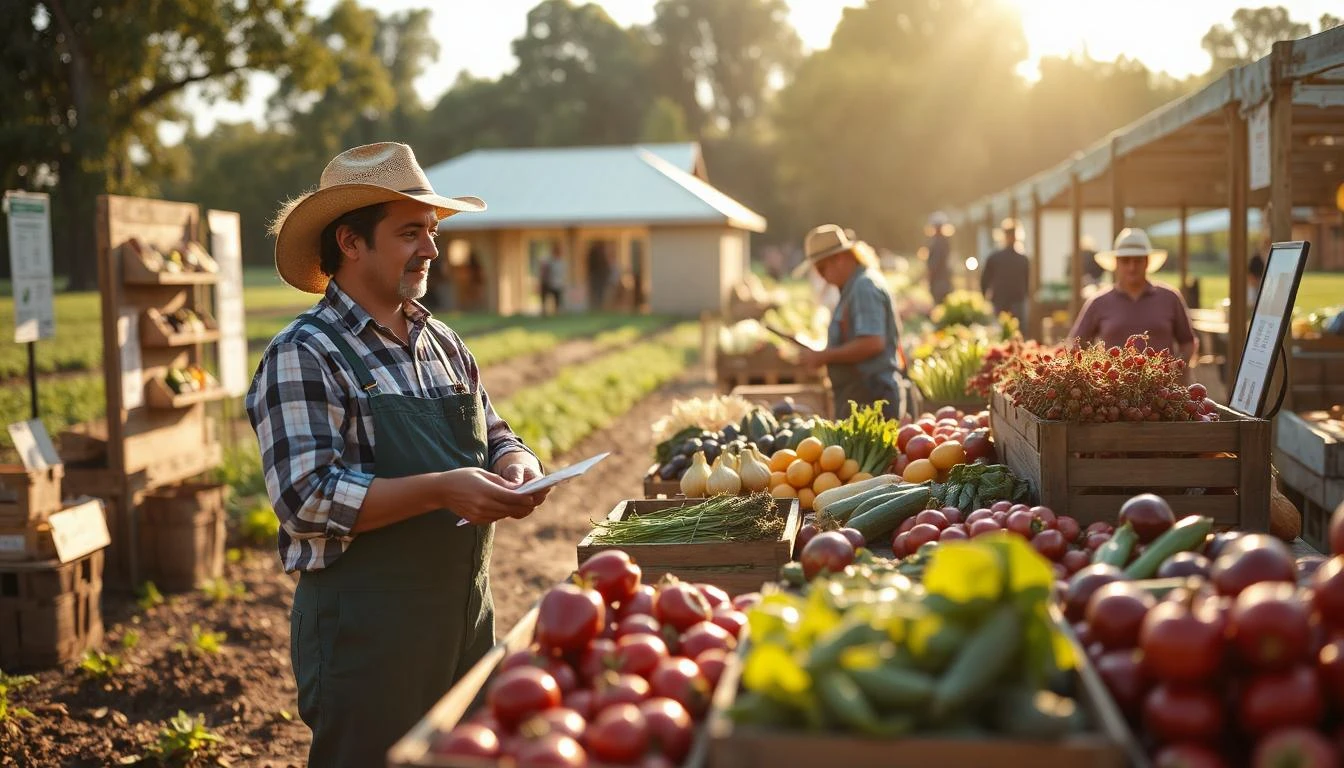
Technological advancements such as smart sensors, artificial intelligence, and data analytics are transforming food production and monitoring. These tools enable faster detection of issues, better traceability, and more precise management of food safety processes from farm to consumer.
The role of education in supporting innovation
Education provides the knowledge necessary to implement and evaluate new technologies effectively. By understanding modern practices and scientific principles, industry professionals can adapt to innovation while maintaining high standards of safety and quality.
Advancing Knowledge Through Food Safety Education
Continuous learning is essential for maintaining safe food systems. Education helps individuals understand best practices and encourages informed decision-making throughout the food industry.
Understanding modern food safety practices
Modern food safety practices involve preventive measures, risk assessment, sanitation protocols, and regulatory compliance. Learning about these practices helps build awareness of how food safety is maintained at every stage of production and distribution.
Developing awareness of food handling and quality control
Proper food handling and quality control procedures are critical for reducing contamination risks and preserving product integrity. Education encourages greater awareness of safe practices that support both consumer health and industry standards.
Encouraging continuous learning in the food industry
The food industry evolves rapidly, making ongoing education increasingly important. Continuous professional development helps workers stay informed about emerging regulations, technologies, and best practices that contribute to safer food systems.
Future Trends In Food Safety Innovation
The future of food safety will likely be shaped by technological progress, sustainability initiatives, and increased public engagement. These trends offer new opportunities to strengthen consumer confidence and improve food systems worldwide.
Technology-driven solutions for safer food systems
Advanced digital tools are expected to improve traceability, predictive monitoring, and quality assurance. These innovations can help identify potential problems earlier and support more efficient responses to food safety concerns.
Sustainable approaches to food production and distribution
Sustainability and food safety often complement one another. Efficient resource management, responsible production methods, and environmentally conscious practices can support both food security and long-term system resilience.
Strengthening public trust through transparency and education
Consumers increasingly value access to accurate information about the food they purchase. Initiatives that promote Food labeling transparency and educational outreach can enhance public confidence while encouraging informed purchasing decisions.
Explore The Future Of Food Safety Through Innovation And Education
Food safety innovation and education work together to create stronger, safer, and more transparent food systems. By embracing technological advancements, supporting continuous learning, and encouraging informed consumer awareness, society can contribute to a future where food quality and safety remain top priorities. Knowledge-driven innovation will continue to play a vital role in shaping the next generation of food systems.