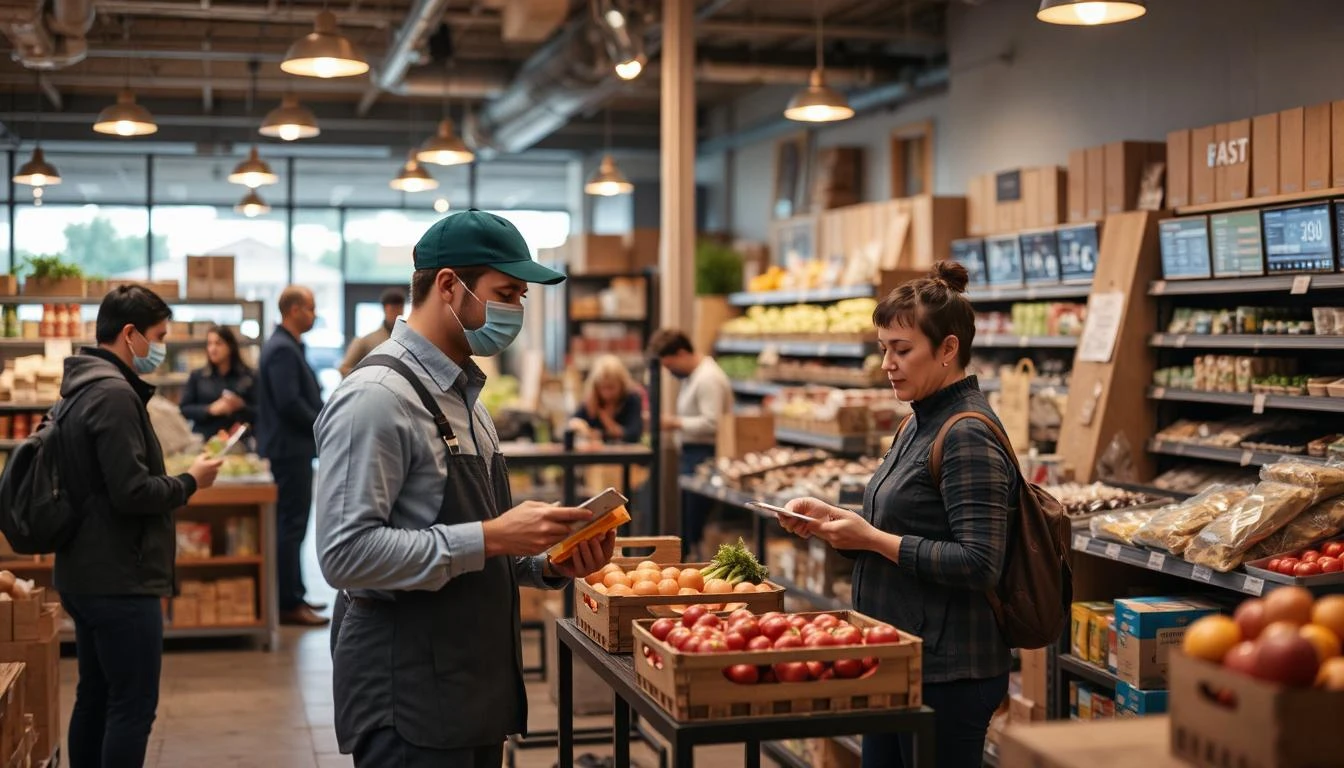
Sustainable Agriculture And Consumer Rights
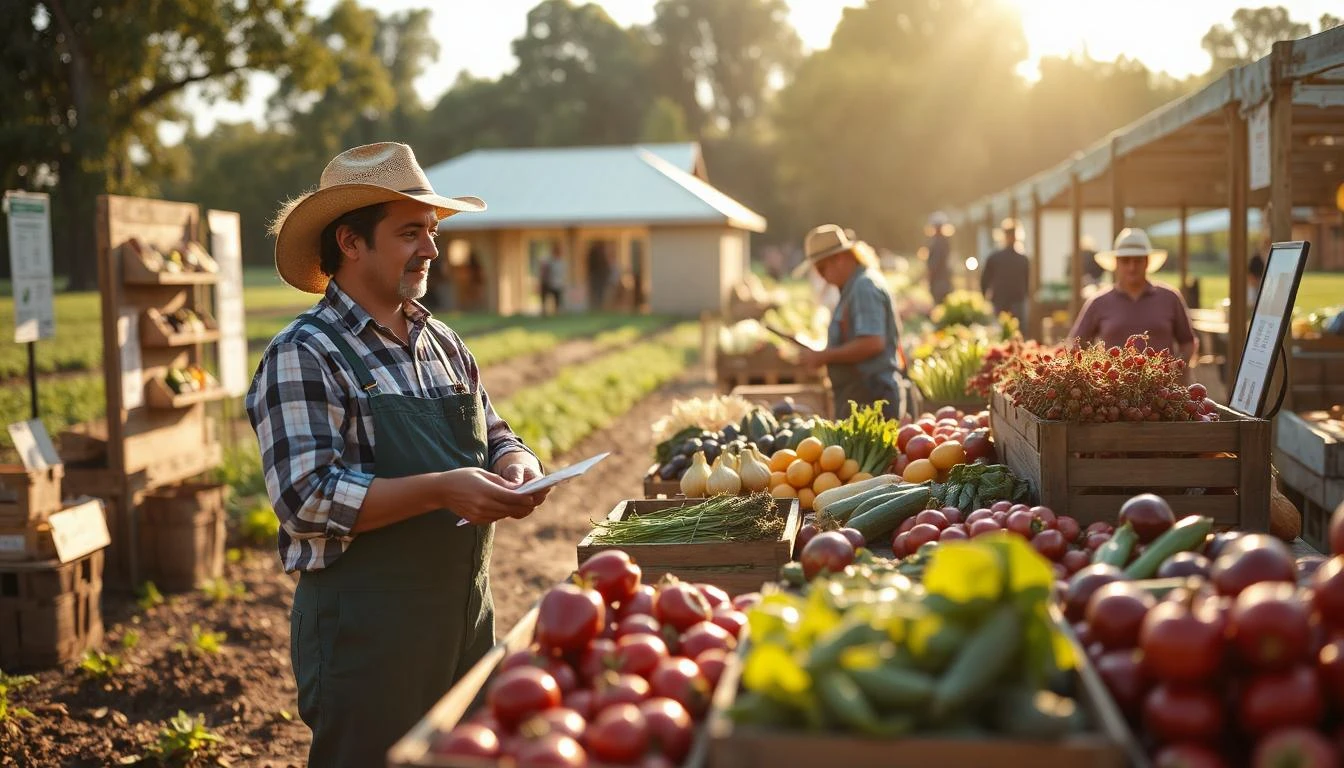
Modern food systems rely on a delicate balance between environmental stewardship, economic viability, and consumer protection. As awareness of sustainable practices continues to grow, consumers are becoming more interested in how food is produced and how their rights are protected. Understanding Sustainable Agriculture Rights helps individuals make informed choices while encouraging responsible production methods that benefit both society and the environment. Informed consumers and sustainable farming practices are essential components of a resilient food future.
Understanding Sustainable Agriculture And Consumer Rights
Sustainability and consumer rights are closely connected within today's agricultural landscape. Together, they influence how food is produced, distributed, and purchased while shaping long-term food security and public trust.
The principles of sustainable agricultural practices
Sustainable agriculture focuses on meeting present food needs without compromising the ability of future generations to do the same. These practices often emphasize soil conservation, biodiversity, efficient resource use, and environmentally responsible farming methods that support long-term agricultural productivity.
Why consumer rights matter in food systems
Consumer rights help ensure access to accurate information, safe products, and fair treatment within the marketplace. When consumers are empowered to make informed decisions, food systems become more transparent and accountable.
The connection between sustainability and food choices
Food choices can influence agricultural practices and market demand. Consumers who prioritize sustainability often encourage producers to adopt environmentally responsible methods, creating positive effects throughout the food supply chain.
Supporting Responsible Food Production
Responsible food production requires collaboration among farmers, businesses, policymakers, and consumers. Sustainable systems aim to balance multiple priorities while maintaining efficiency and accountability.
Balancing environmental, economic, and social considerations
Sustainable agriculture seeks equilibrium between environmental protection, economic stability, and social well-being. Successful farming systems consider the needs of producers, communities, and ecosystems while supporting long-term productivity.
Encouraging transparency in agricultural supply chains
Transparency helps consumers understand where food comes from and how it is produced. Access to reliable information strengthens trust and encourages responsible practices throughout agricultural supply networks.
Promoting responsible farming and resource management
Efficient water use, soil preservation, waste reduction, and biodiversity protection are key elements of responsible farming. Many recommendations found in an Agricultural sustainability guide emphasize resource stewardship as a critical factor in maintaining productive and resilient agricultural systems.
Empowering Consumers Through Knowledge
Knowledge allows consumers to participate more actively in shaping food systems. Understanding available information helps individuals make decisions that align with their values and priorities.
Understanding food labels and product information
Food labels provide valuable details regarding ingredients, nutritional content, certifications, and production methods. Learning how to interpret these labels enables consumers to make more informed purchasing decisions.
Making informed purchasing decisions
Consumers who evaluate product information carefully are better positioned to choose foods that support their health, ethical preferences, and environmental concerns. Informed purchasing decisions can also influence industry practices over time.
Advocating for accountability and consumer protection
Consumer advocacy encourages transparency, fairness, and compliance with regulations. By supporting accountability measures, consumers contribute to safer, more trustworthy food systems that benefit both producers and the public.
Support Sustainable Agriculture While Protecting Consumer Rights
Sustainable agriculture and consumer rights work together to promote a more responsible and transparent food system. By understanding agricultural practices, evaluating product information, and supporting accountability, consumers can make choices that benefit both society and the environment. Informed participation remains a powerful tool for encouraging sustainable progress and protecting consumer interests.