GMO Education And Food Safety
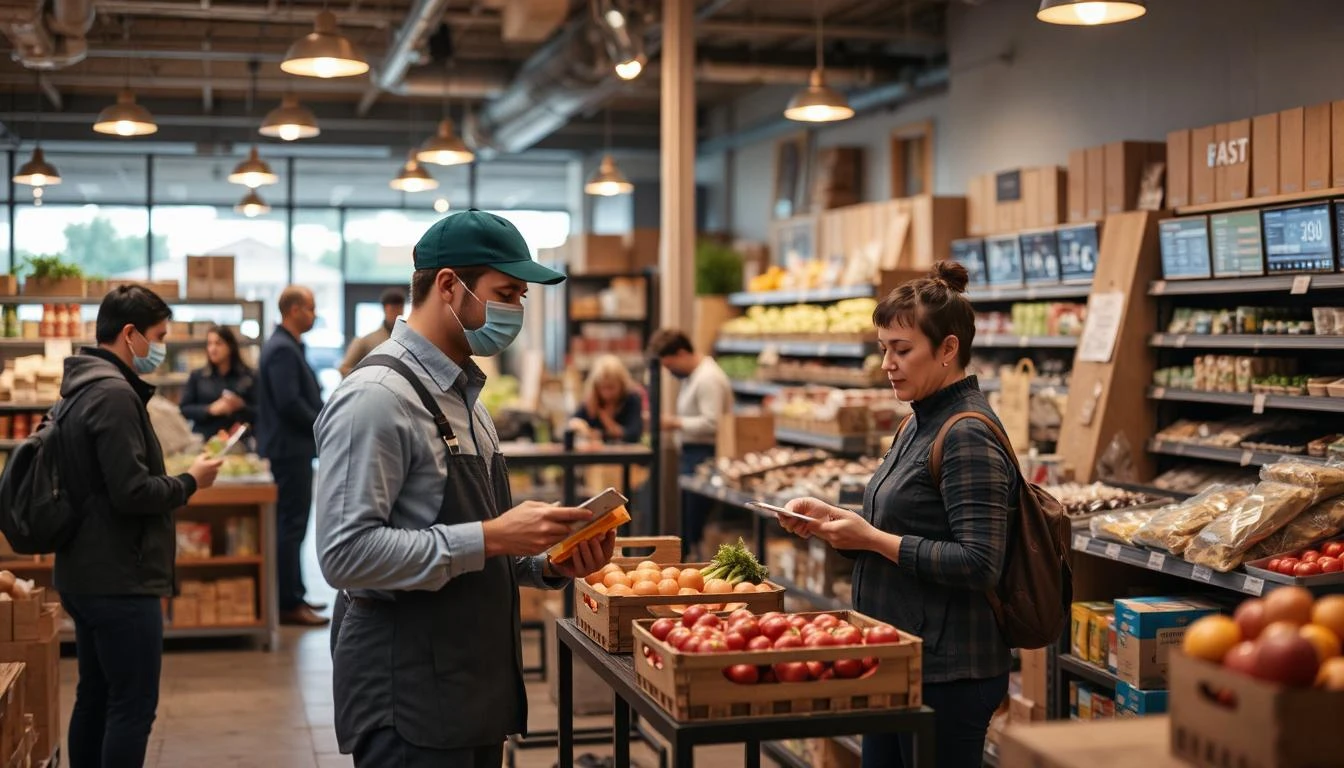
Understanding how food is produced has become increasingly important in today's agricultural landscape. Advances in biotechnology have introduced new methods for improving crop production, while food safety remains a top priority for consumers worldwide. Through GMO Education Safety, individuals can gain a clearer understanding of modern farming practices, evaluate food-related information more effectively, and make informed decisions based on scientific evidence rather than misconceptions.
Understanding GMO Education And Food Safety
Knowledge about genetically modified organisms and food safety helps consumers navigate complex agricultural topics with greater confidence. A foundational understanding of these subjects supports informed decision-making and public awareness.
What GMOs are and how they are used in agriculture
Genetically modified organisms, commonly known as GMOs, are plants or organisms whose genetic material has been altered using biotechnology. In agriculture, GMOs are often developed to improve crop resilience, enhance productivity, reduce susceptibility to pests, or support environmental sustainability. These innovations play a significant role in modern food production systems.
The relationship between biotechnology and food production
Biotechnology provides tools that help farmers address agricultural challenges while improving efficiency. Understanding Agricultural biotechnology basics allows consumers to appreciate how scientific advancements contribute to food security, crop management, and sustainable agricultural practices.
Why food safety education matters for consumers
Food safety education empowers individuals to evaluate information critically and understand how food products are regulated. Informed consumers are better equipped to make decisions that align with their dietary preferences, health considerations, and personal values.
Evaluating Food Safety In Modern Agriculture
Food safety involves a combination of scientific assessment, regulatory oversight, and transparent communication. These elements work together to help ensure the safety and quality of food products.
Food safety standards and regulatory oversight
Government agencies and regulatory organizations establish standards designed to protect public health. These frameworks typically involve testing, monitoring, and compliance measures that help ensure food products meet established safety requirements before reaching consumers.
The role of scientific research in food safety assessments
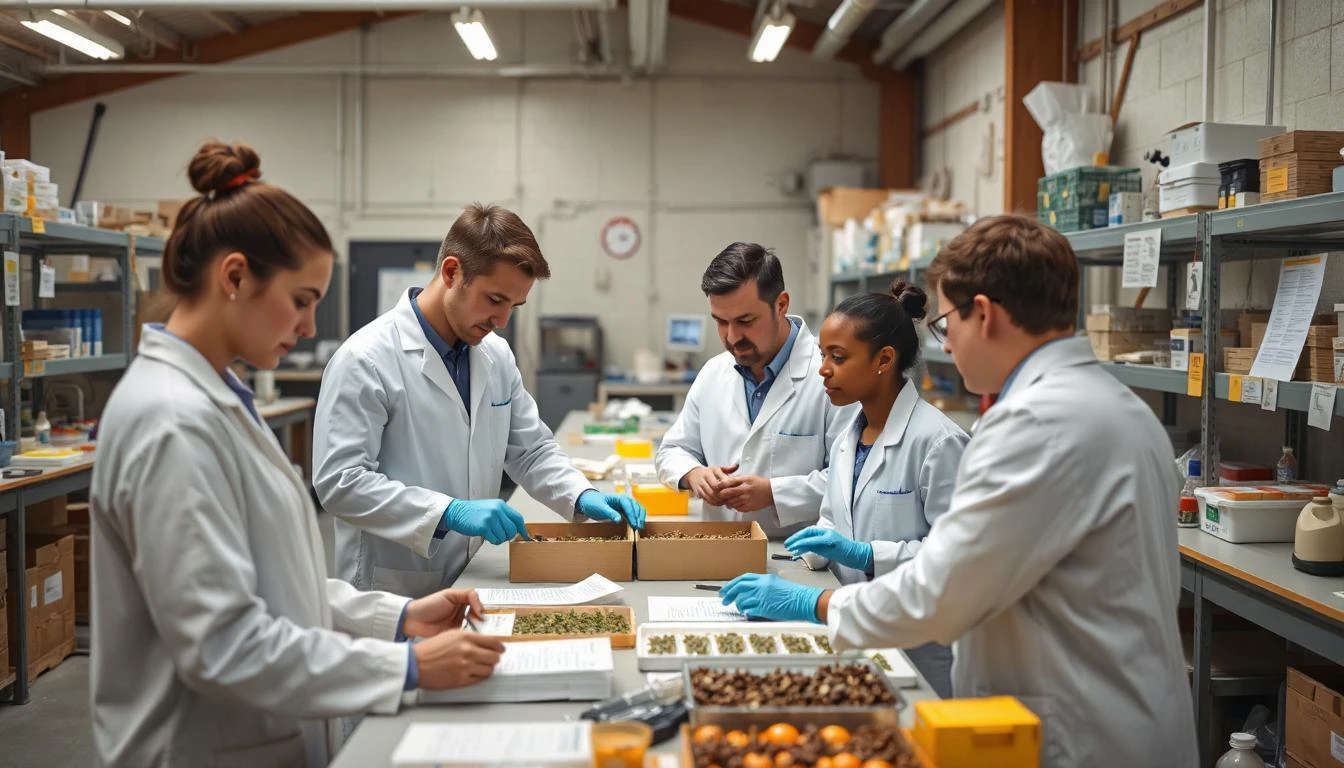
Scientific research serves as a cornerstone of food safety evaluation. Researchers examine factors such as nutritional composition, environmental impact, and potential health effects. Evidence gathered through rigorous studies helps inform regulatory decisions and public understanding.
Understanding food labeling and consumer information
Food labels provide important details about ingredients, nutritional content, and production methods. Learning how to interpret labeling information enables consumers to make choices that reflect their individual preferences and dietary goals.
Promoting Informed Consumer Awareness
Public understanding of food systems benefits from accurate information and open dialogue. Encouraging informed awareness helps consumers evaluate claims and make thoughtful decisions.
Addressing common misconceptions about GMOs
Many misconceptions arise from incomplete or inaccurate information. Educational initiatives can help clarify how GMOs are developed, tested, and regulated, fostering a more balanced understanding of biotechnology and food production.
Encouraging evidence-based food decisions
Evidence-based decision-making relies on credible research and verified information rather than speculation. Consumers who evaluate scientific evidence are often better prepared to assess food-related claims objectively.
Supporting transparency in food production systems
Transparency strengthens consumer trust by providing access to information about production methods, safety practices, and supply chains. Open communication encourages accountability and helps build confidence in modern agricultural systems.
Build Better Food Knowledge Through GMO And Food Safety Education
GMO education and food safety awareness play essential roles in helping consumers understand modern agriculture. By learning about biotechnology, evaluating scientific evidence, and interpreting food information accurately, individuals can make informed choices with greater confidence. Knowledge remains one of the most valuable tools for navigating today's evolving food landscape.